Process science01
How tyre pyrolysis works
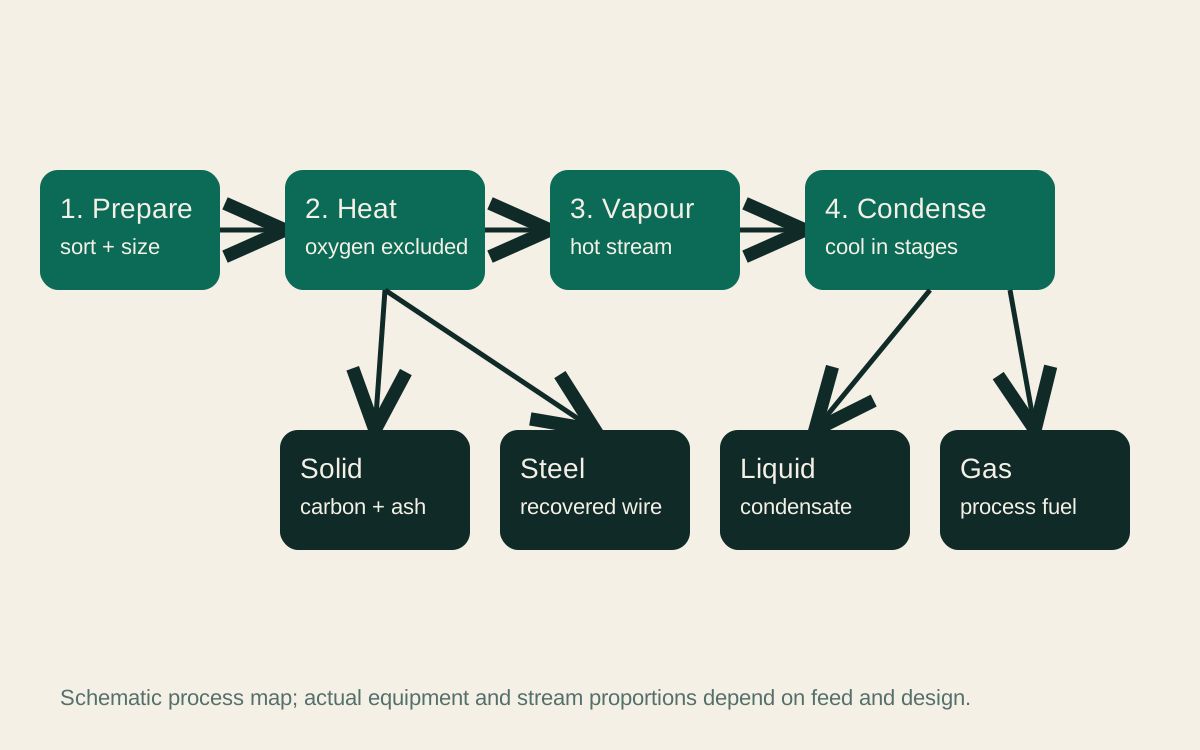
A practical explanation of how heat separates waste tyres into vapour, oil, gas, carbon-rich solid and steel.
Gaggan Sharma · 4 min read↗
THE KNOWLEDGE LIBRARY / 25 ARTICLES
How waste tyres become useful materials. What quality tests reveal. Which questions lead to better decisions.
Explore the librarySTART WITH THE PROCESS ↗Follow the material from incoming tyre to separate outputs.
READ. QUESTION. UNDERSTAND.
Process science01
A practical explanation of how heat separates waste tyres into vapour, oil, gas, carbon-rich solid and steel.
Process science02
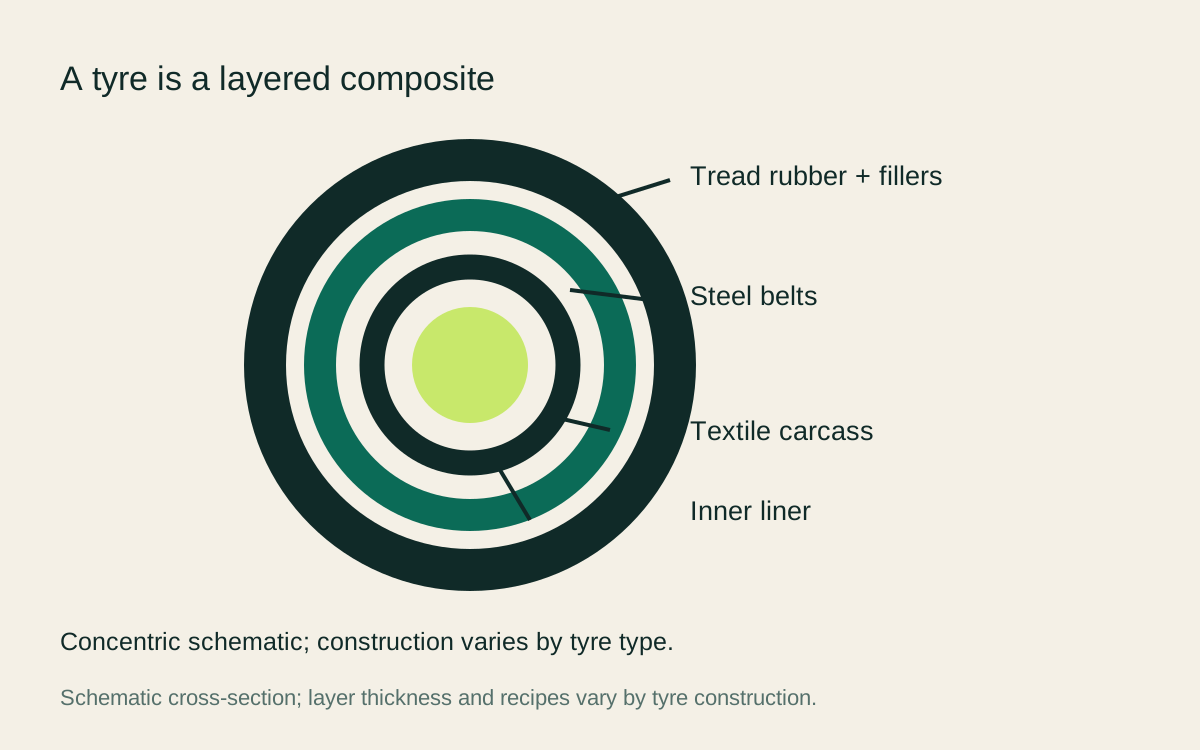
The rubber, steel, textile, carbon black and additives in a tyre explain both its performance and its recycling behaviour.
Process science03
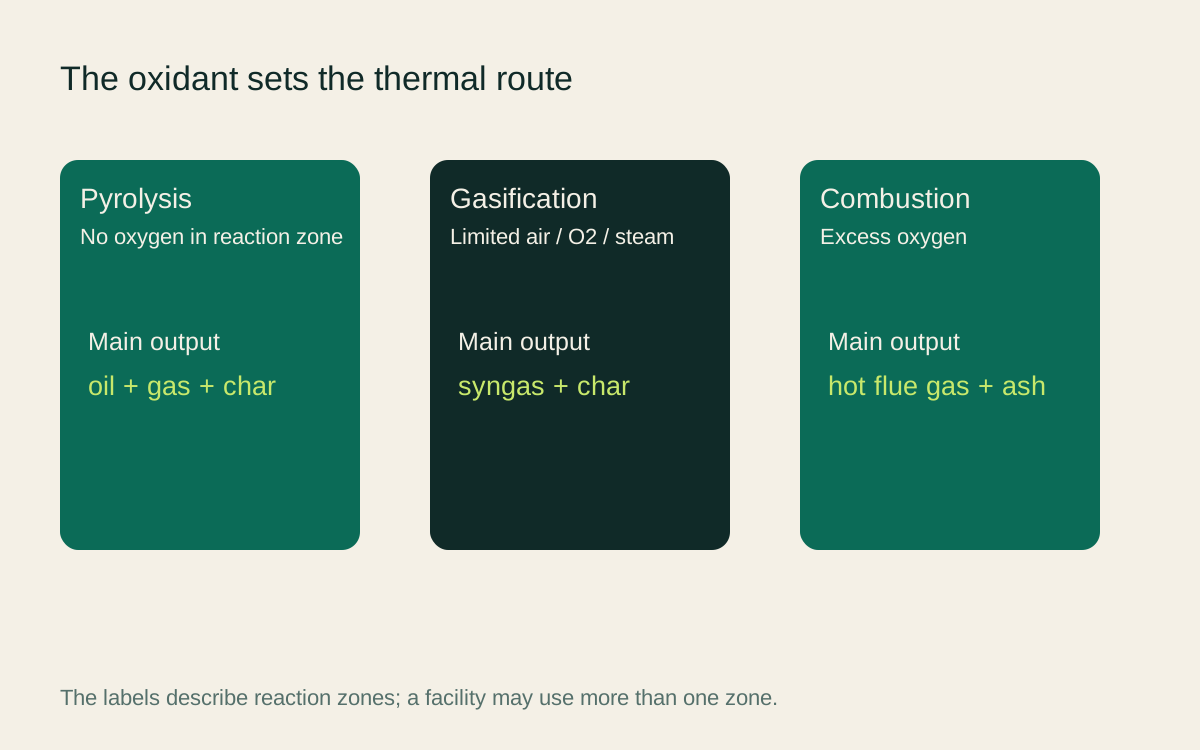
These three thermal routes differ by oxygen supply, products and control objectives. The distinction matters when reading plant claims.
Process science04
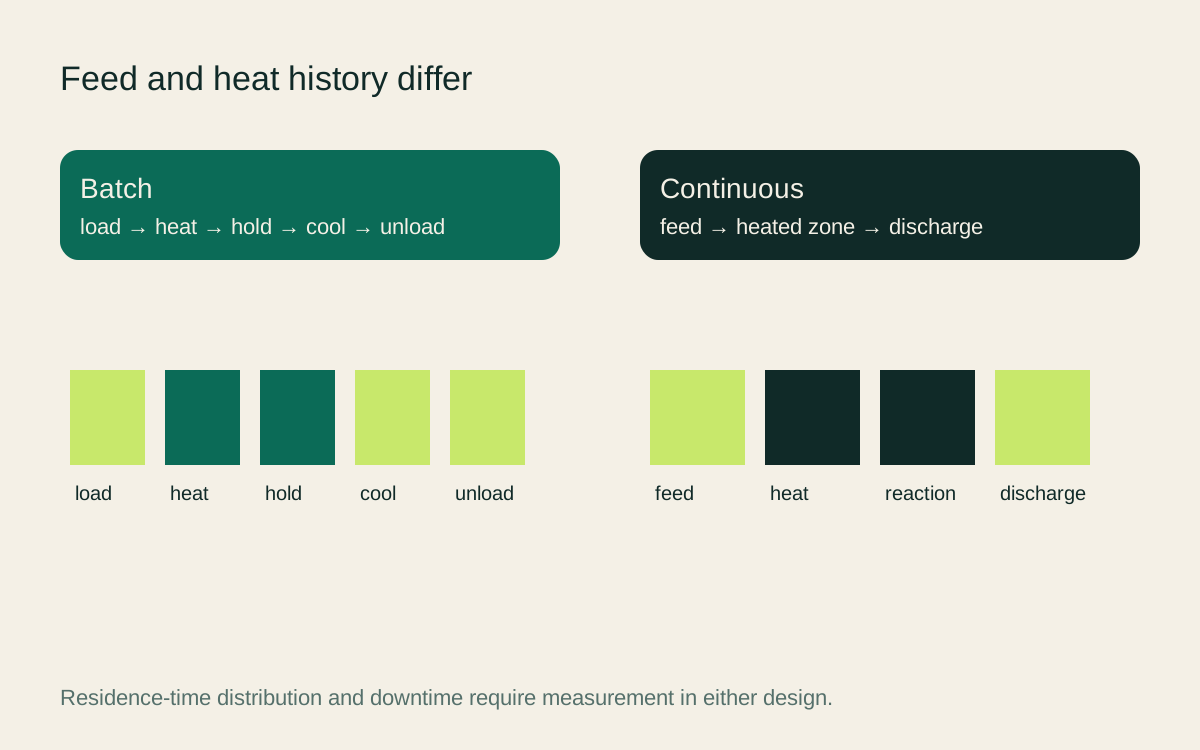
Batch and continuous reactors solve different feed, heat-transfer and product-handling problems. Their data should be compared carefully.
Process science05
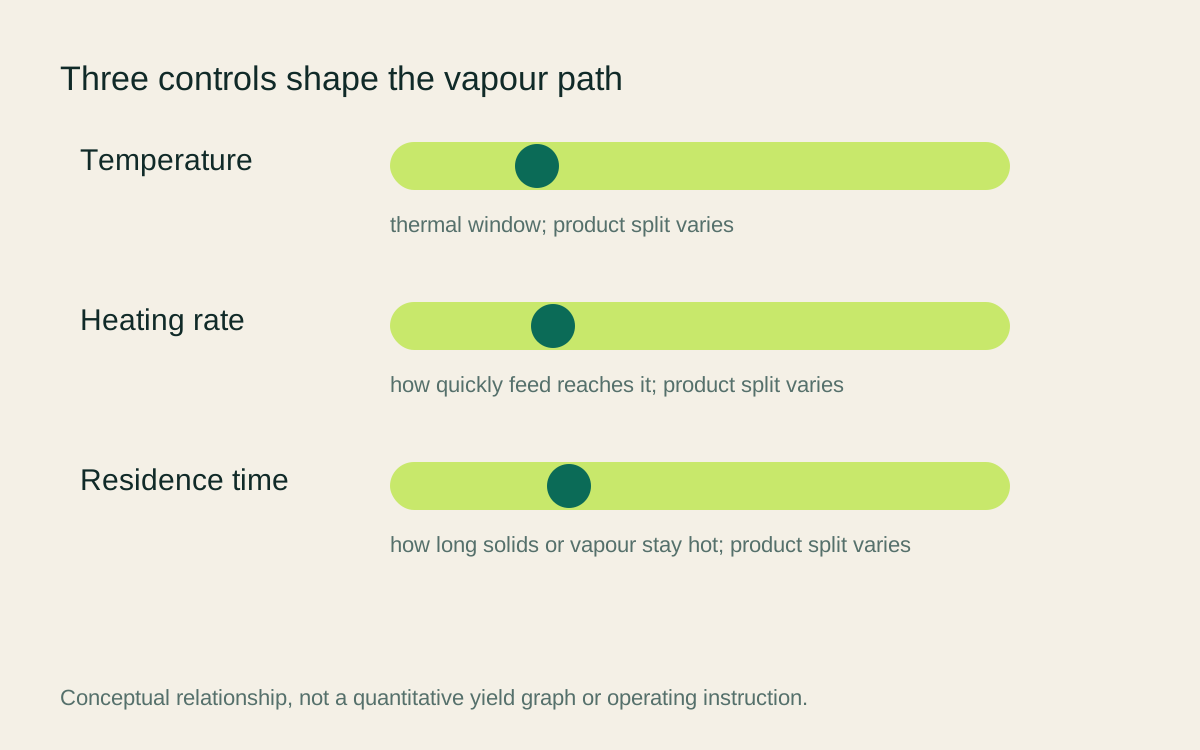
These three operating variables shape tyre pyrolysis chemistry and product distribution, but they describe different parts of the process.
Process science06
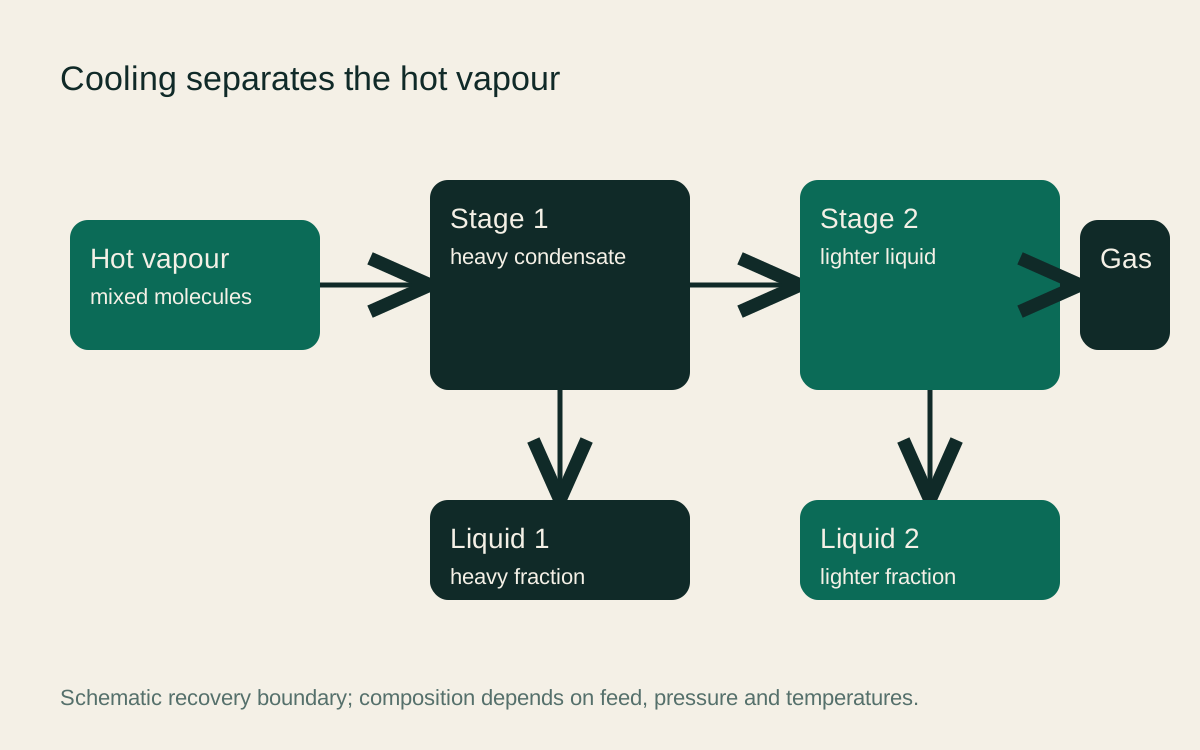
The condenser train decides what becomes oil and what remains process gas, so recovery starts after the reactor too.
Material quality07
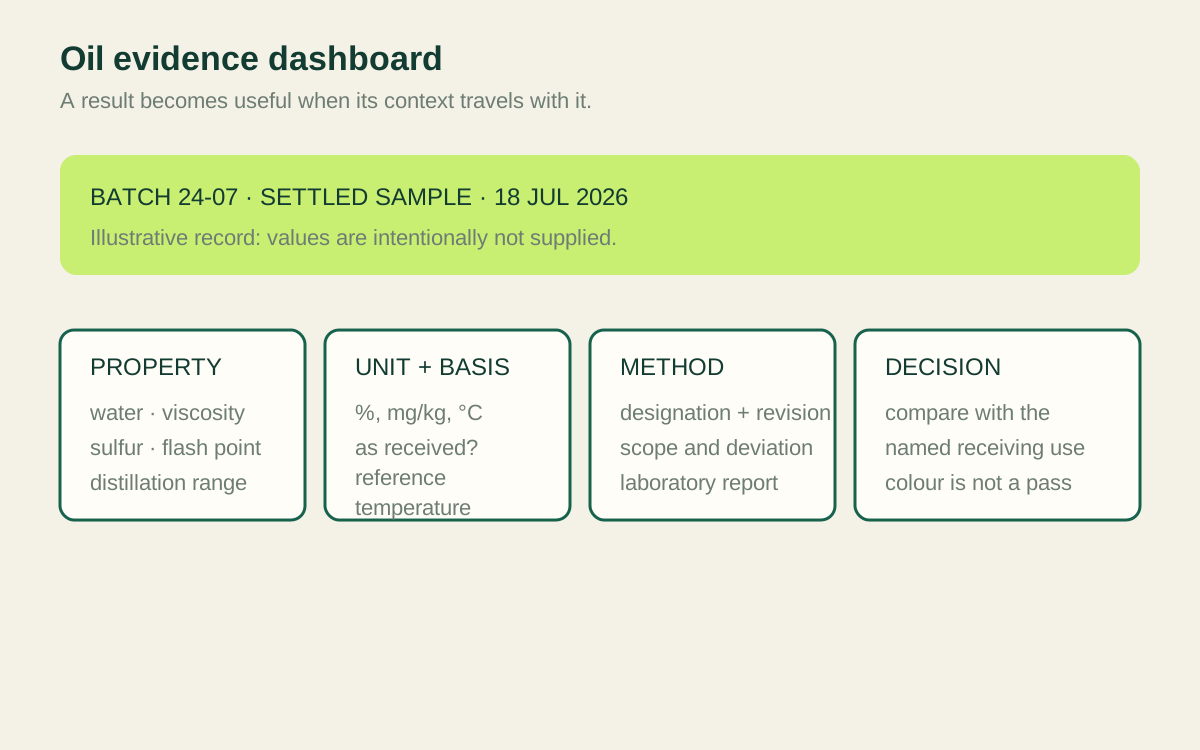
A practical guide to tyre pyrolysis oil properties, test methods and fit for an intended industrial use.
Material quality08
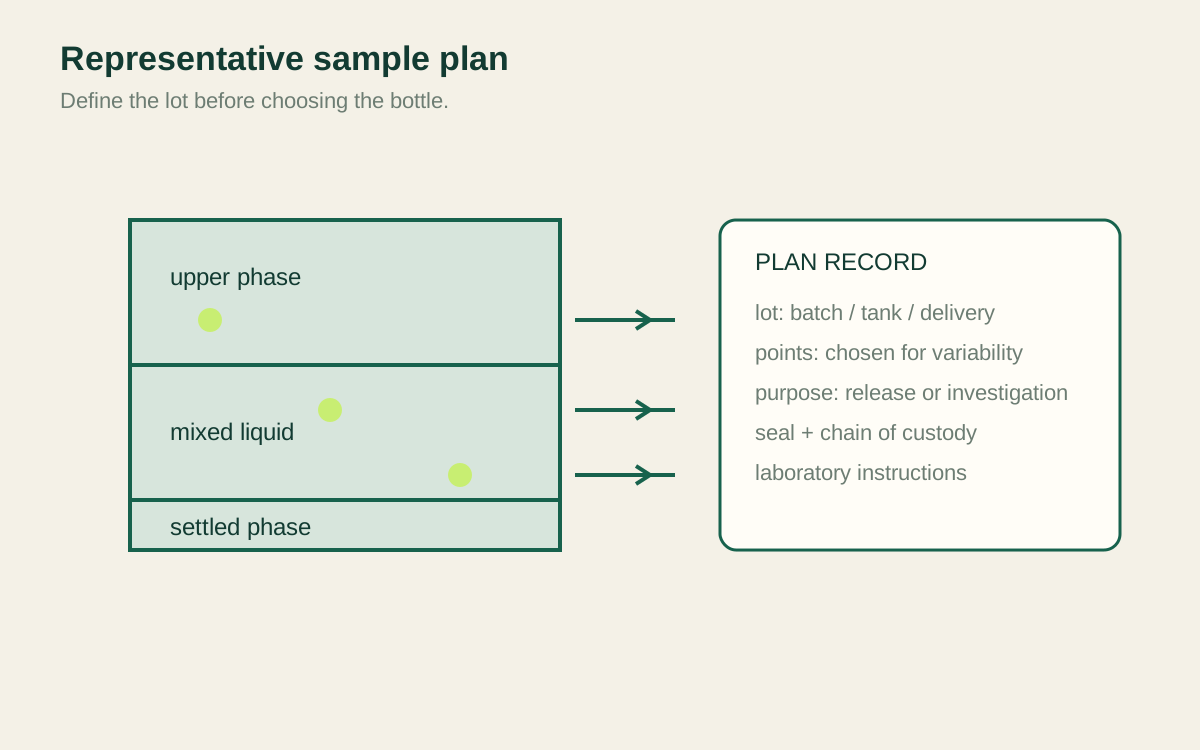
How suppliers and buyers can plan a representative oil sample and ask a qualified laboratory the right questions.
Material quality09
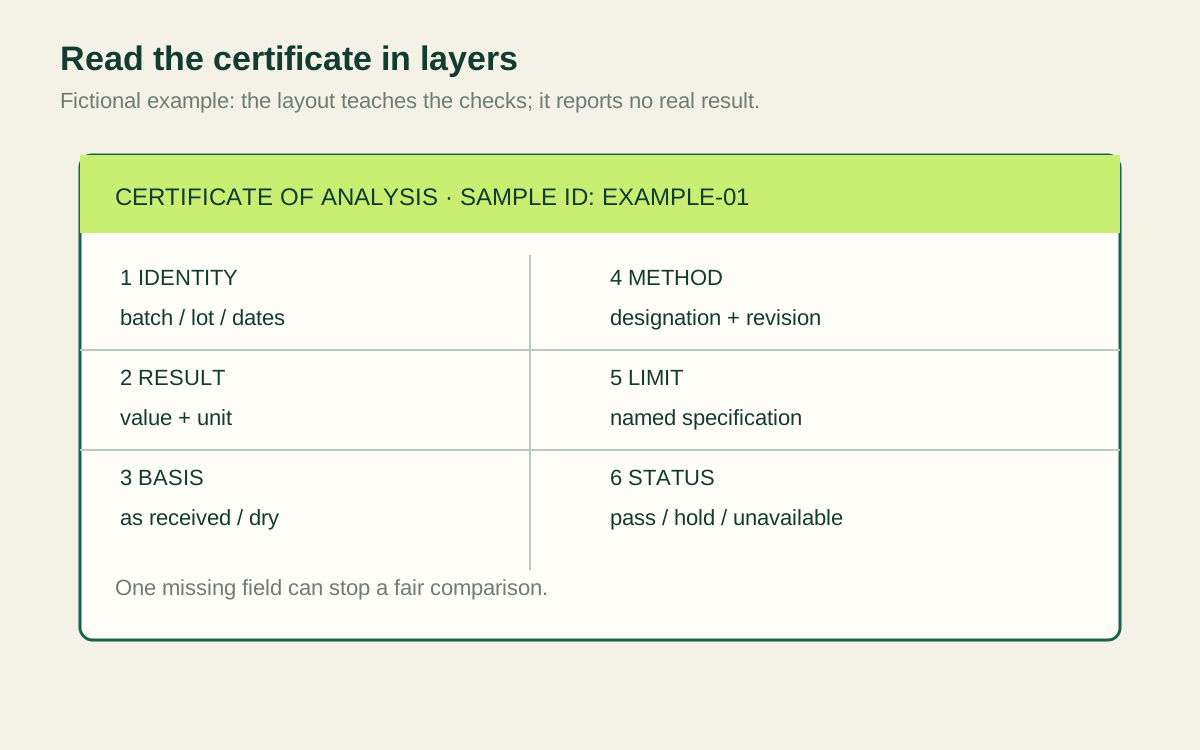
A field guide to units, test basis, methods, batch identity and fair comparisons on a certificate of analysis.
Material quality10
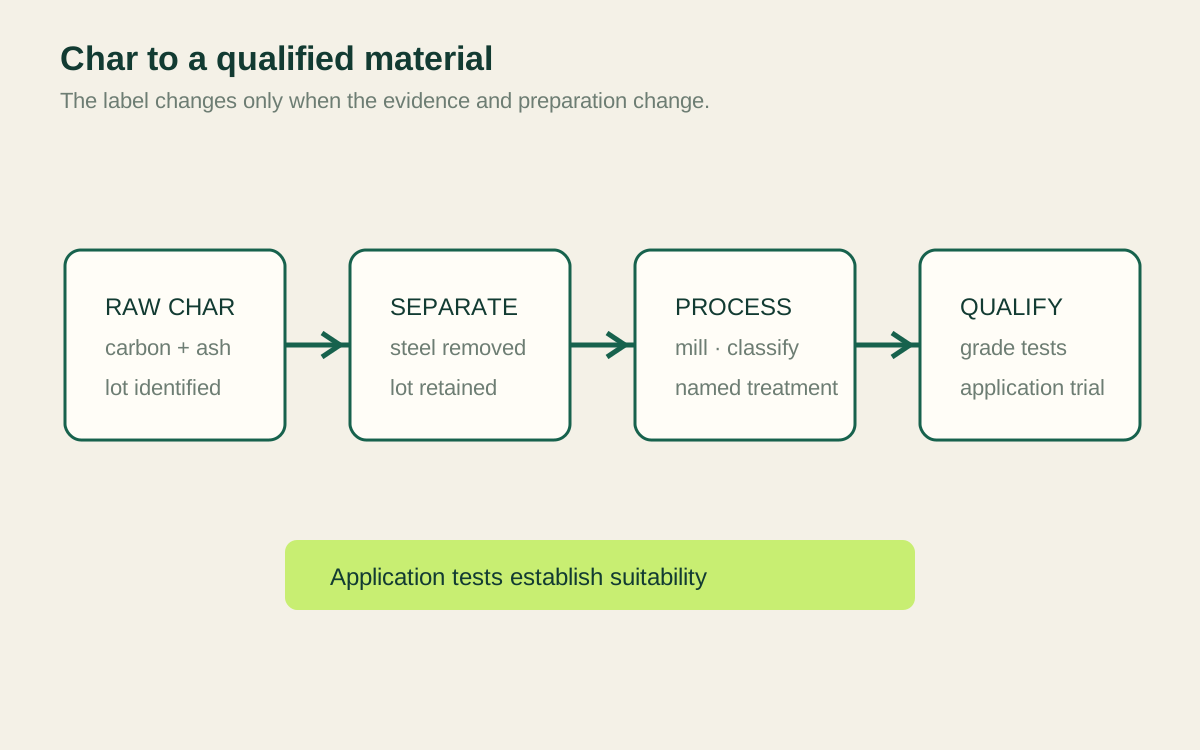
Why tyre pyrolysis char needs processing and qualification before it can be sold as recovered carbon black.
Material quality11
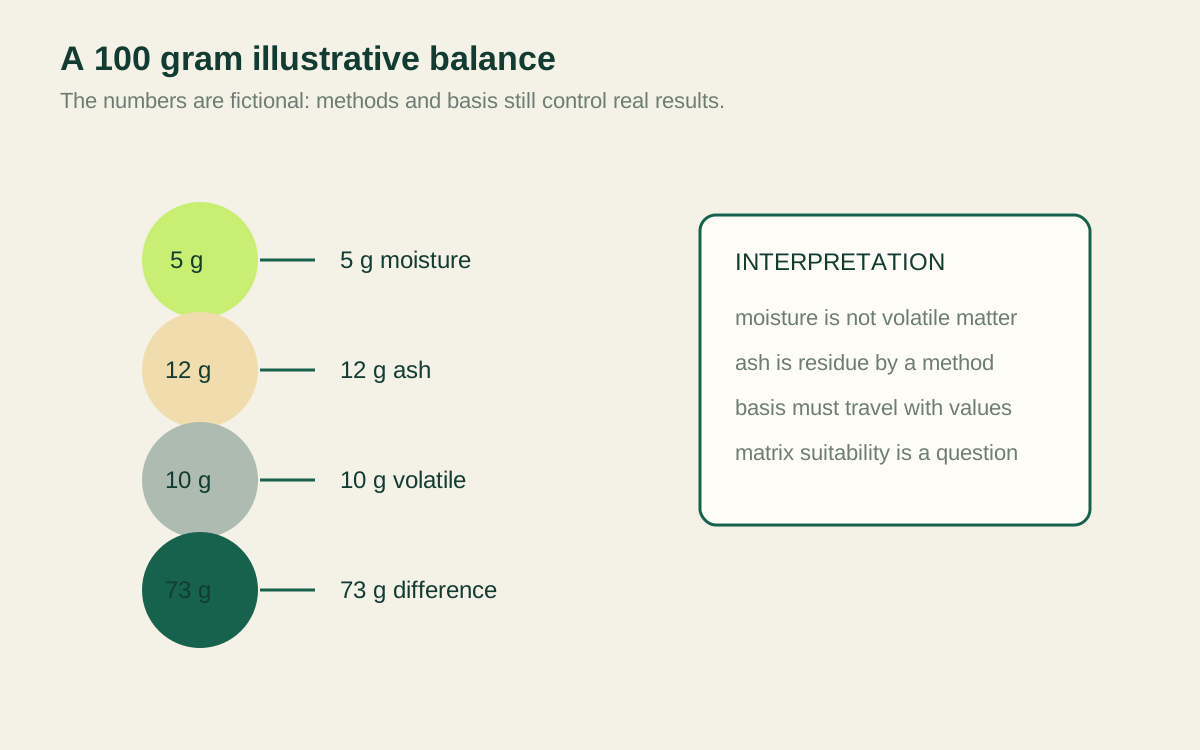
How to interpret ash, moisture and volatile matter results in tyre pyrolysis char without confusing their bases or meanings.
Material quality12
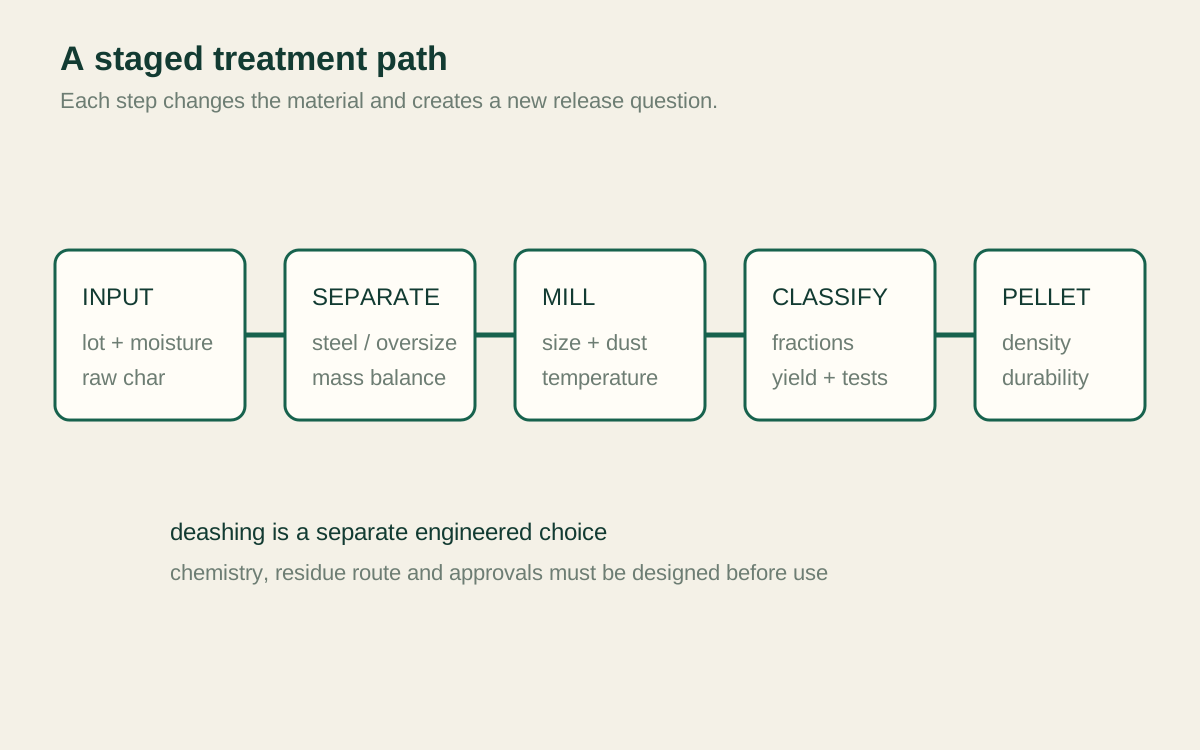
What milling, deashing and pelletising can change in tyre char, and why each stage needs evidence and a defined end use.
Operations and feedstock13
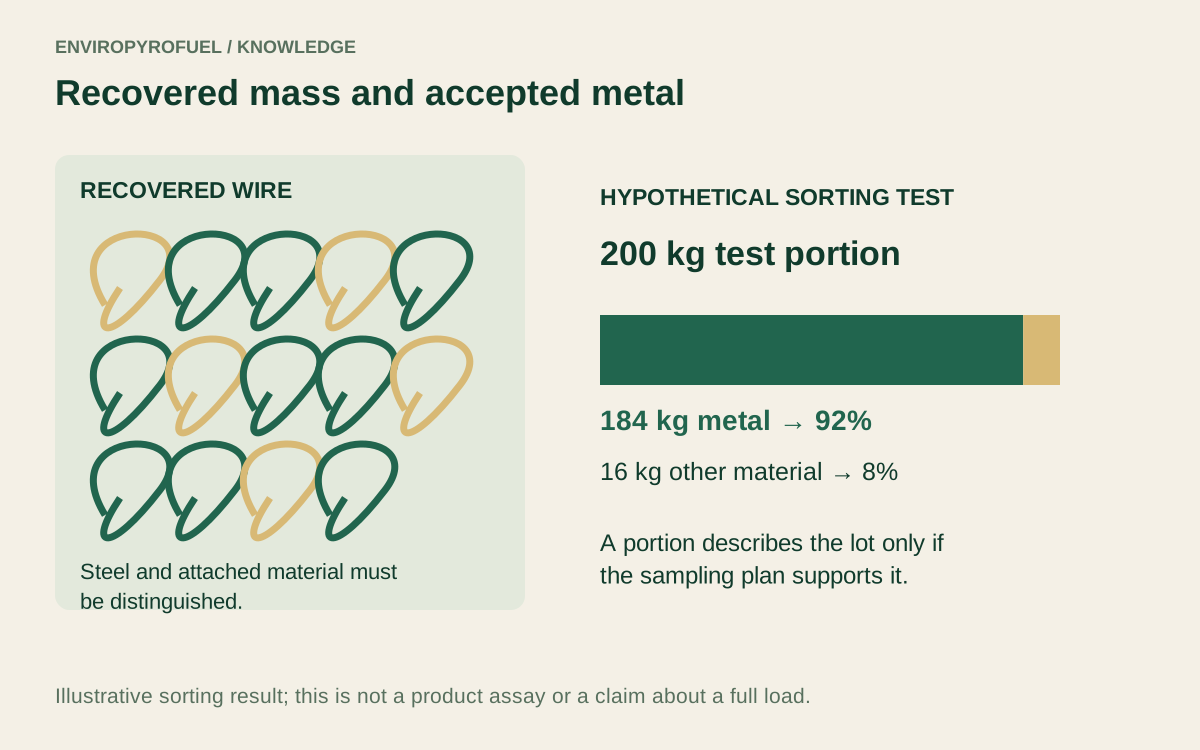
How to judge recovered tyre steel by identity, cleanliness, moisture, and evidence rather than by weight alone.
Operations and feedstock14
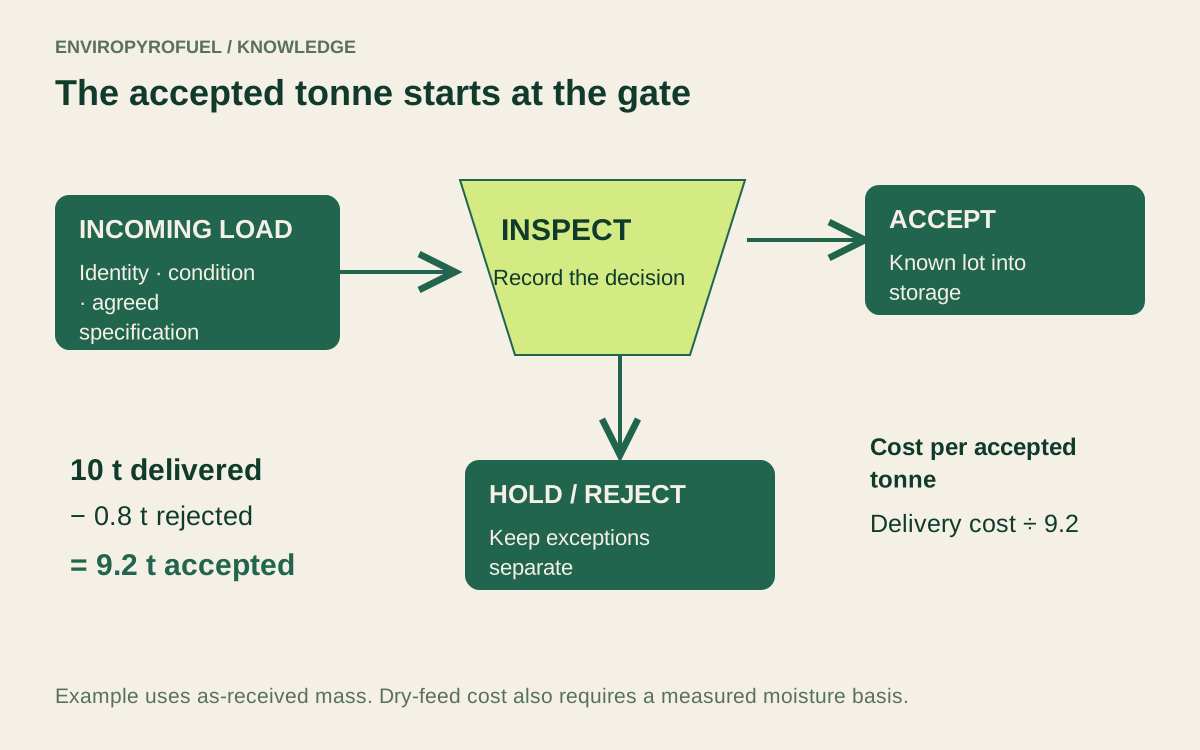
A sourcing and acceptance framework for mixed waste tyres, with records that connect a load to its later process results.
Operations and feedstock15
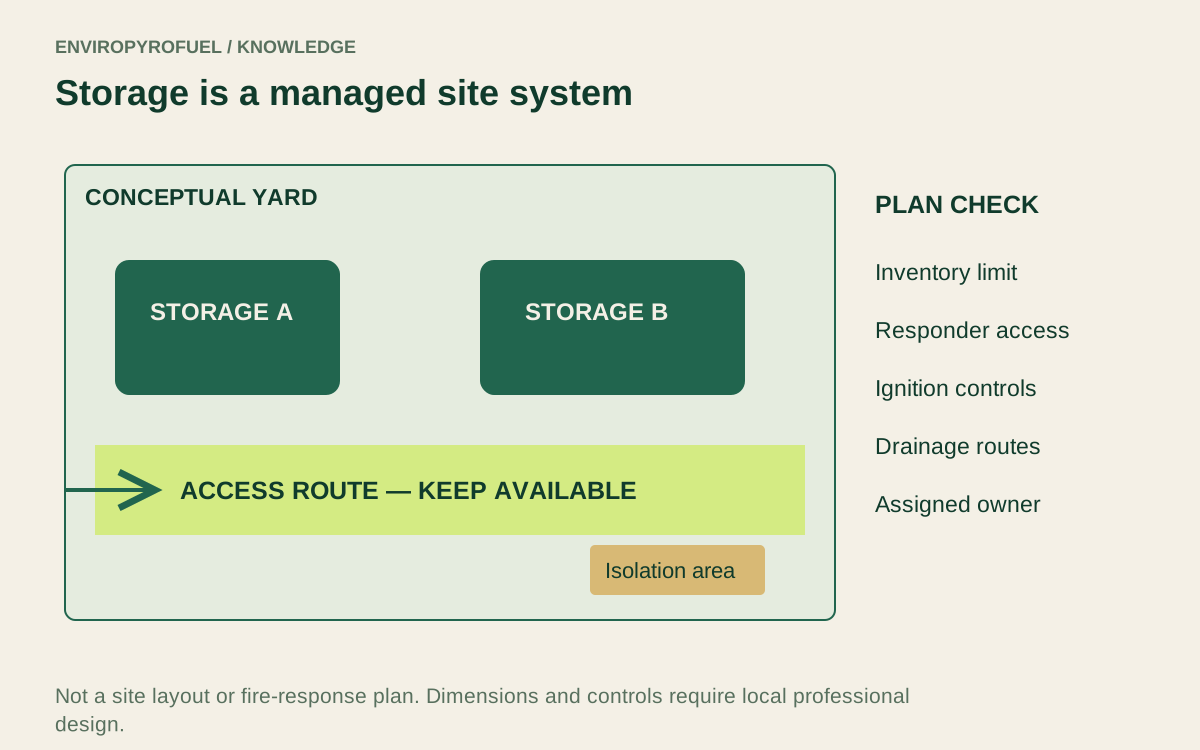
Risk principles for tyre storage and handling, with a qualified site plan instead of invented universal spacing rules.
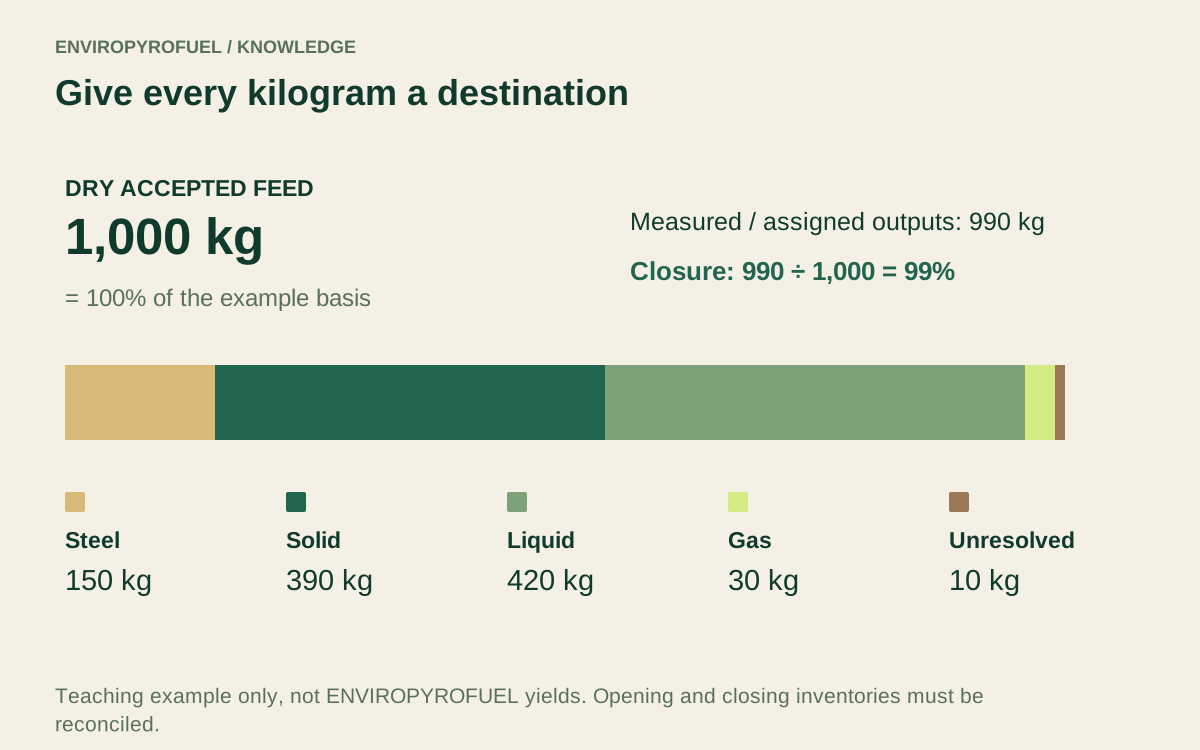
Operations and feedstock16
How to build a defensible tyre pyrolysis mass balance and interpret a worked hypothetical example without claiming plant yields.
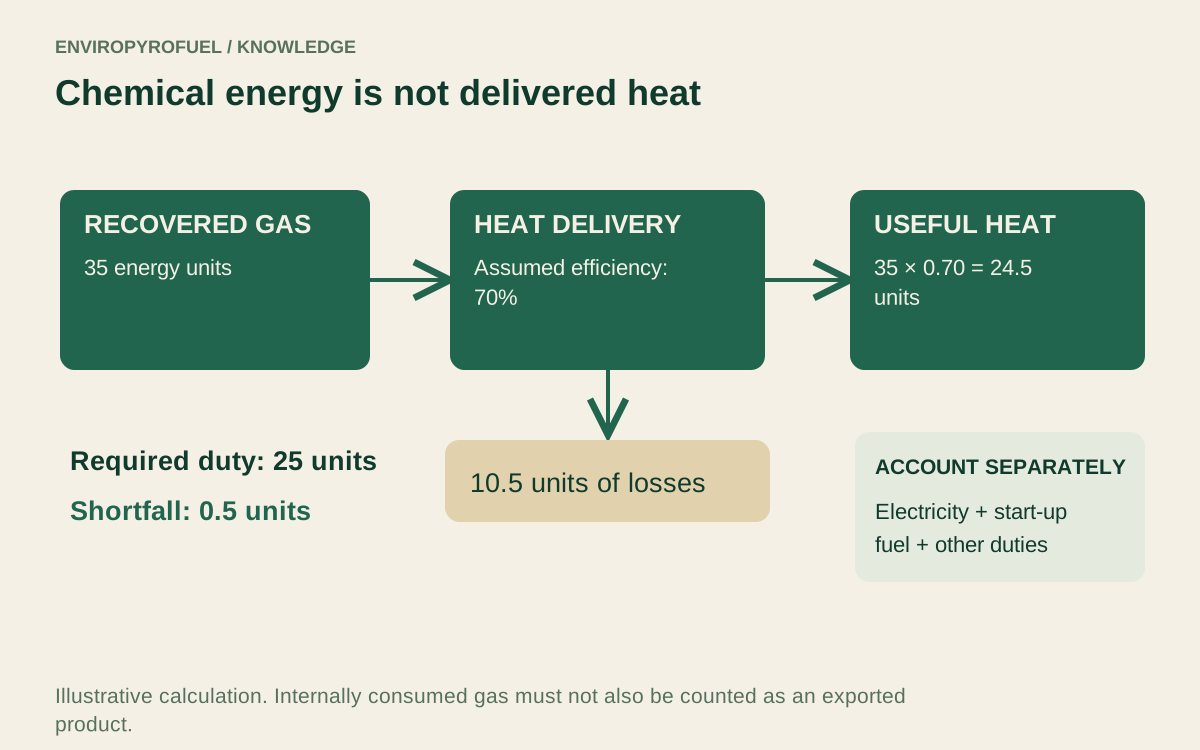
Operations and feedstock17
A boundary-aware guide to heat duty, electricity, product energy, gas use, losses, and the limits of self-sufficiency claims.
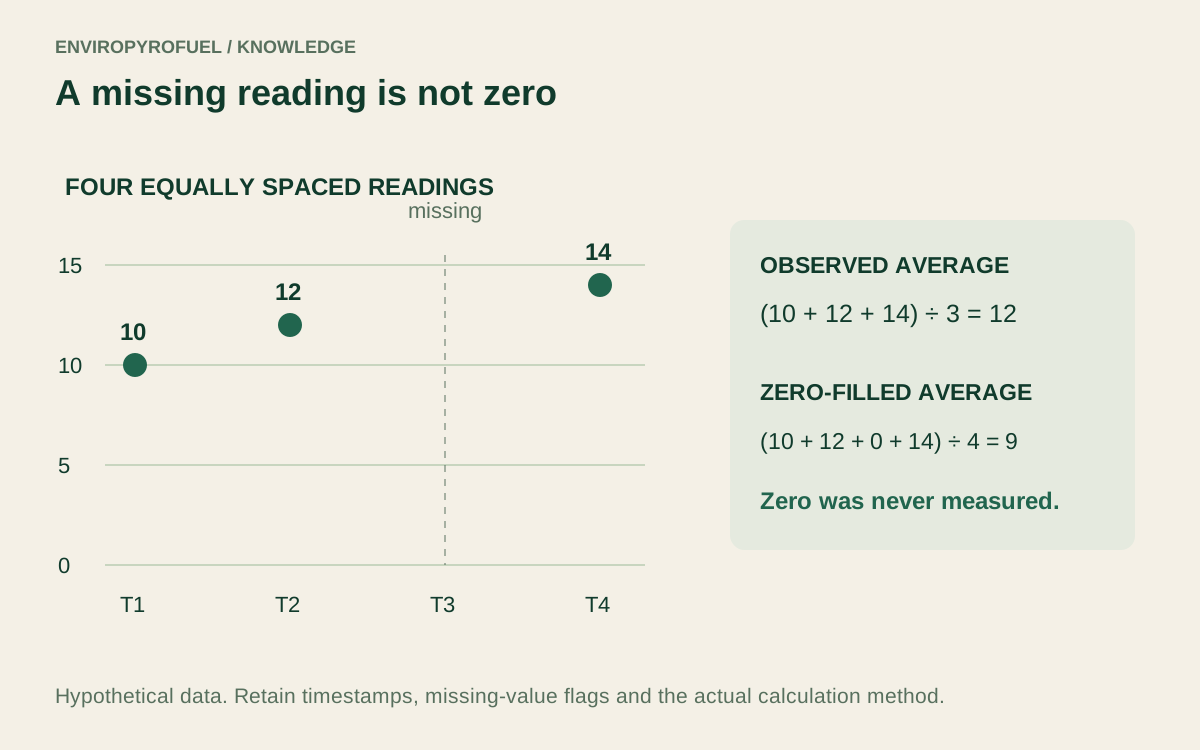
Operations and feedstock18
A measurement-led approach to calibration, traceability, lag, stable operating data, and decisions made from process trends.
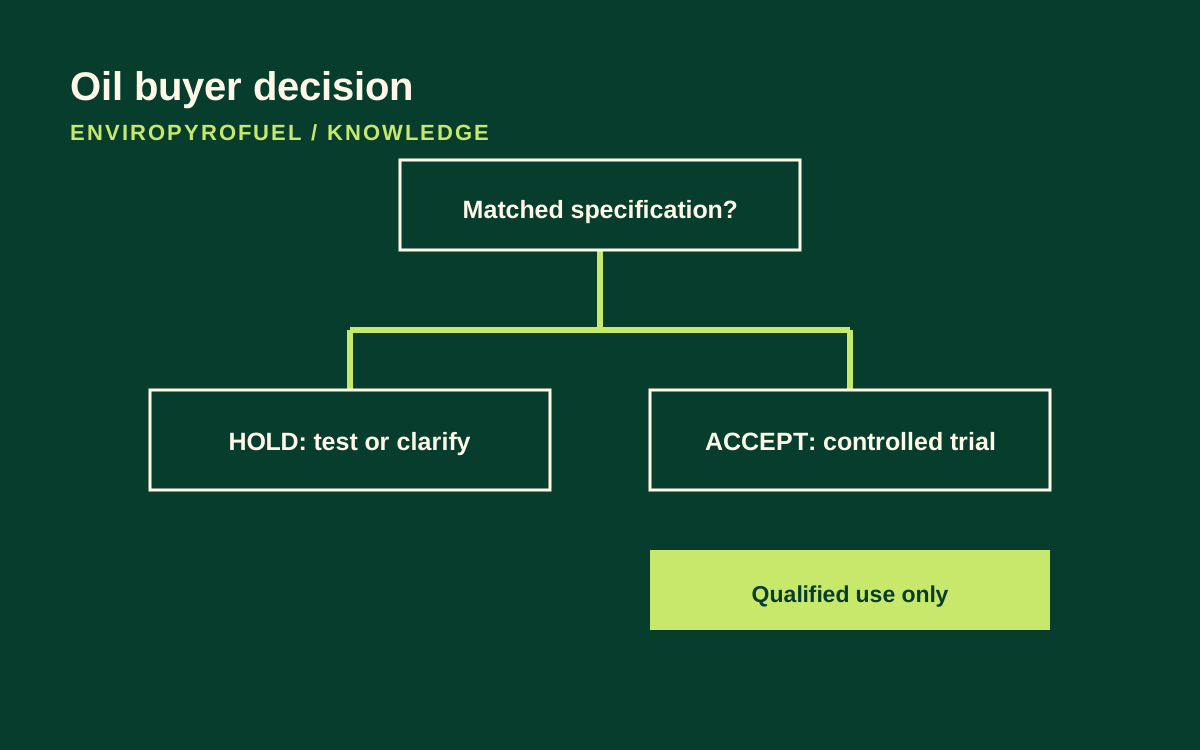
Buying and circularity19
How to qualify recovered pyrolysis oil for a real application, with the tests and handling questions that matter first.
Buying and circularity20
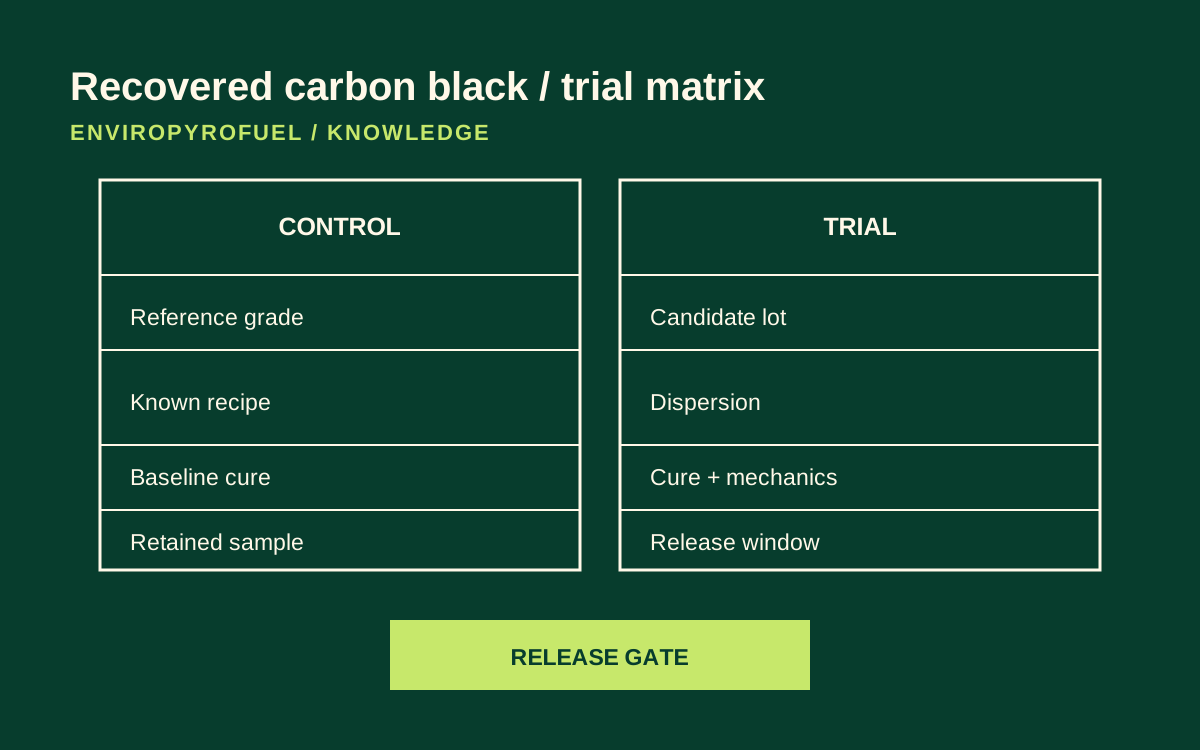
A practical qualification path for recovered carbon black, from dispersion and formulation trials to performance testing, release and recheck.
Buying and circularity21
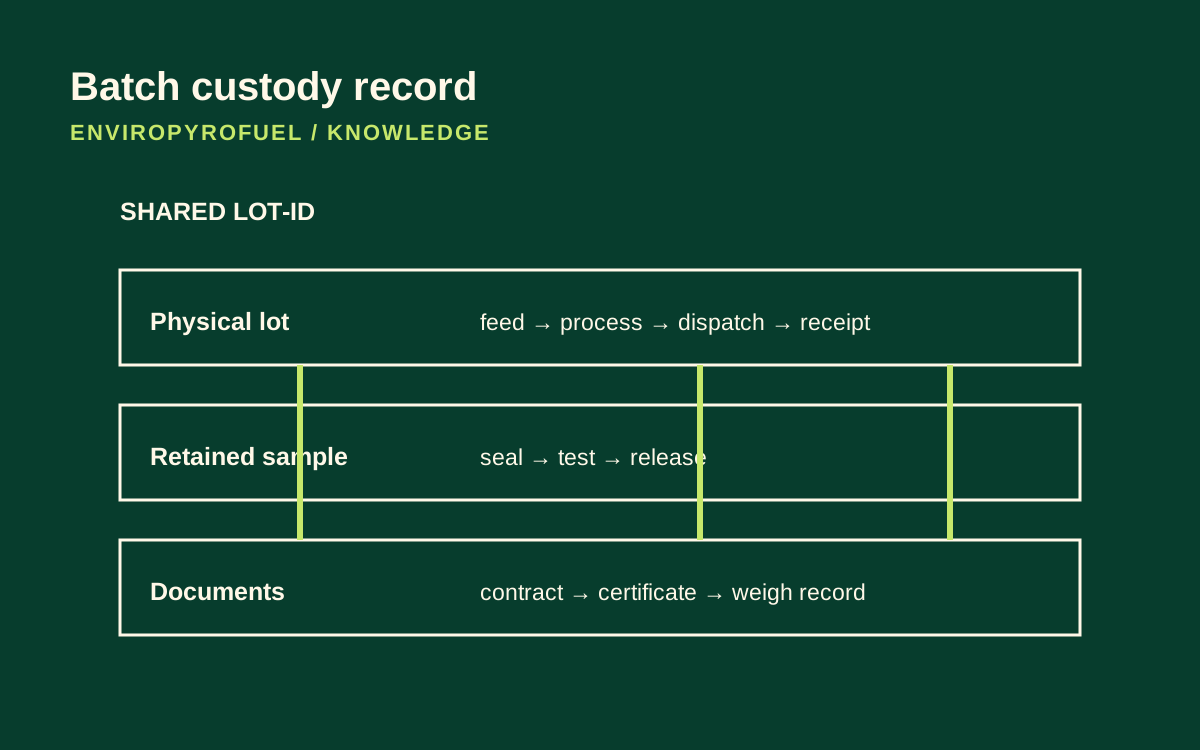
The batch, contract and custody records that make a recovered-material delivery checkable from receipt to use, review and dispute.
Buying and circularity22
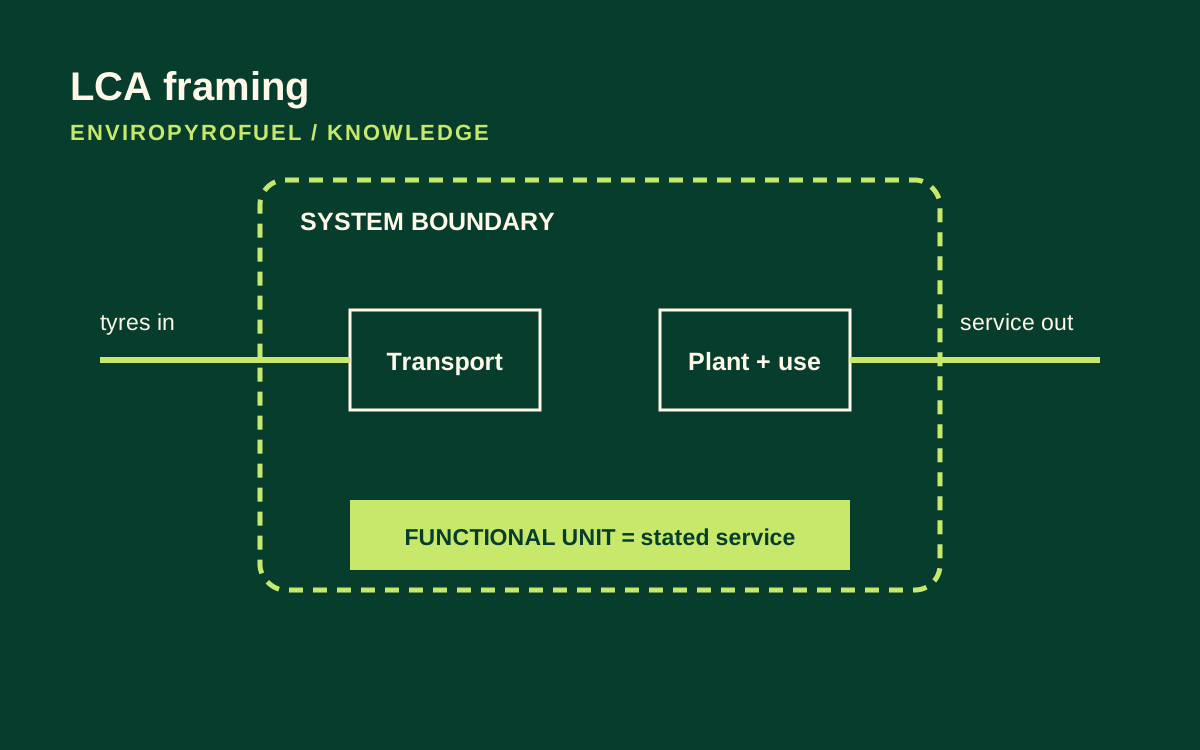
Functional units, boundaries and allocation determine what a tyre-recycling LCA can actually compare or claim in a stated study.
Buying and circularity23
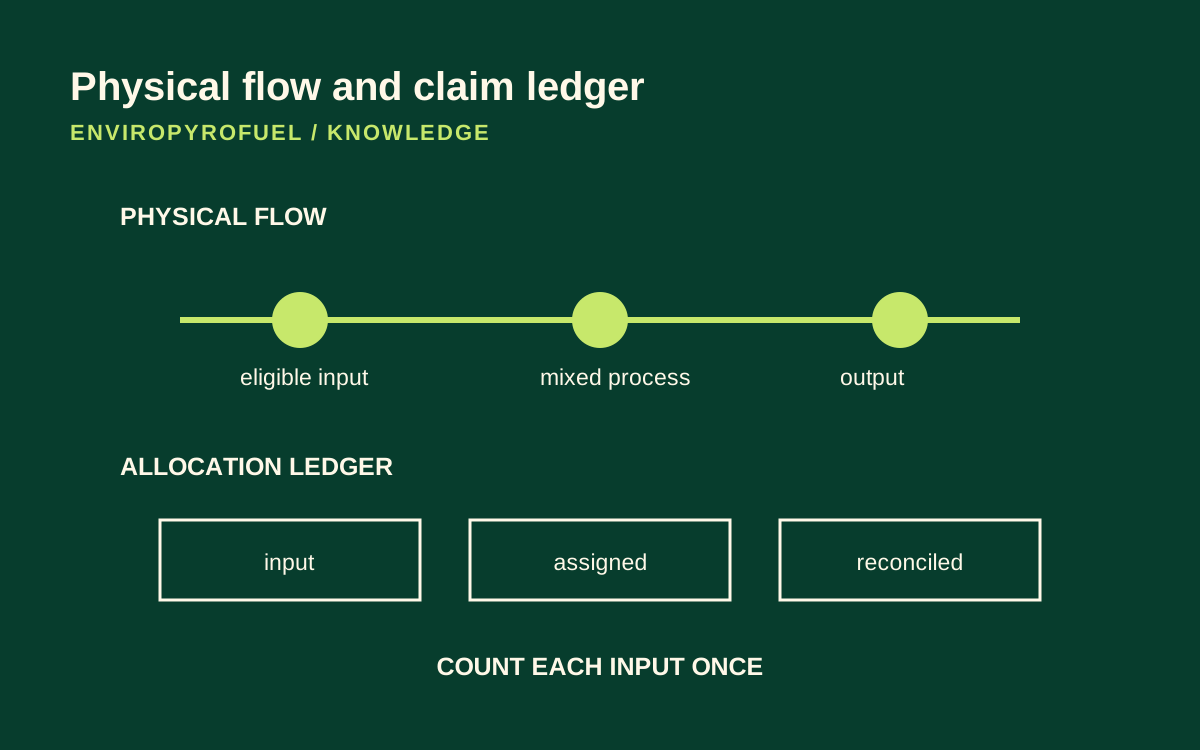
Physical recovery and accounting allocation answer different questions. Use a mass balance with clear inputs, outputs and reconciliation for each claim.
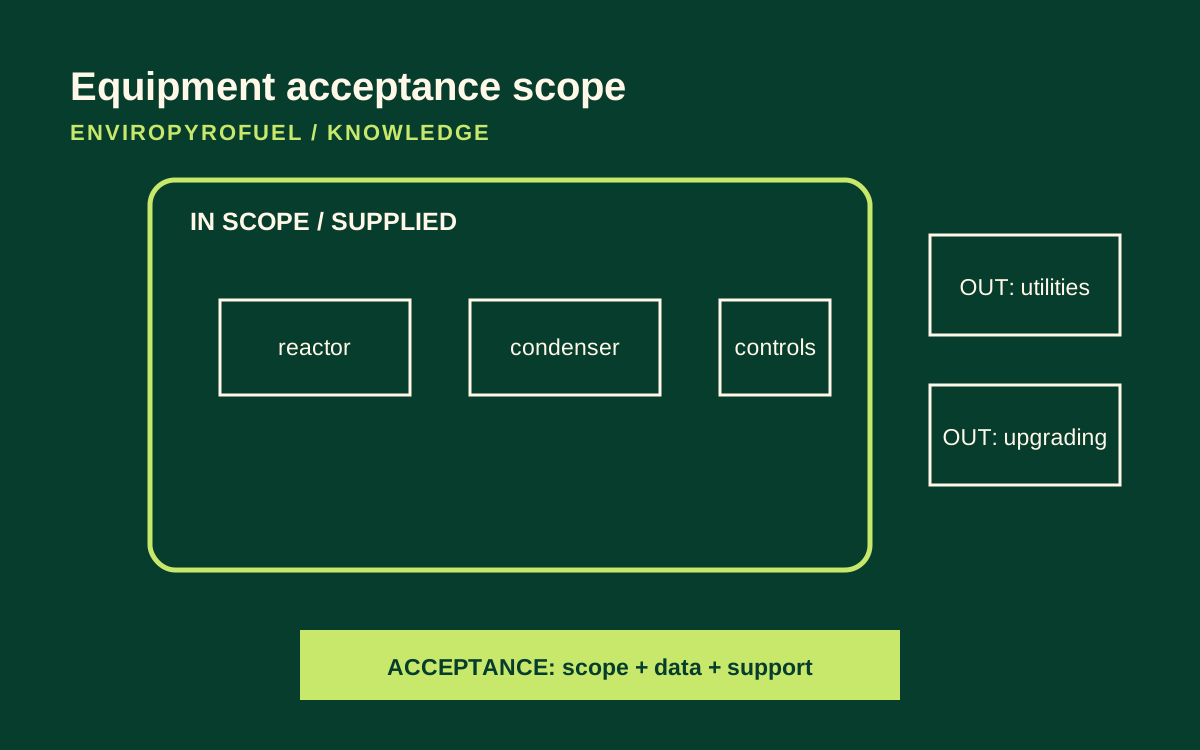
Buying and circularity24
What a vendor trial record should disclose: feed, balances, operating data, product tests, failures and repeatability for a defined application.
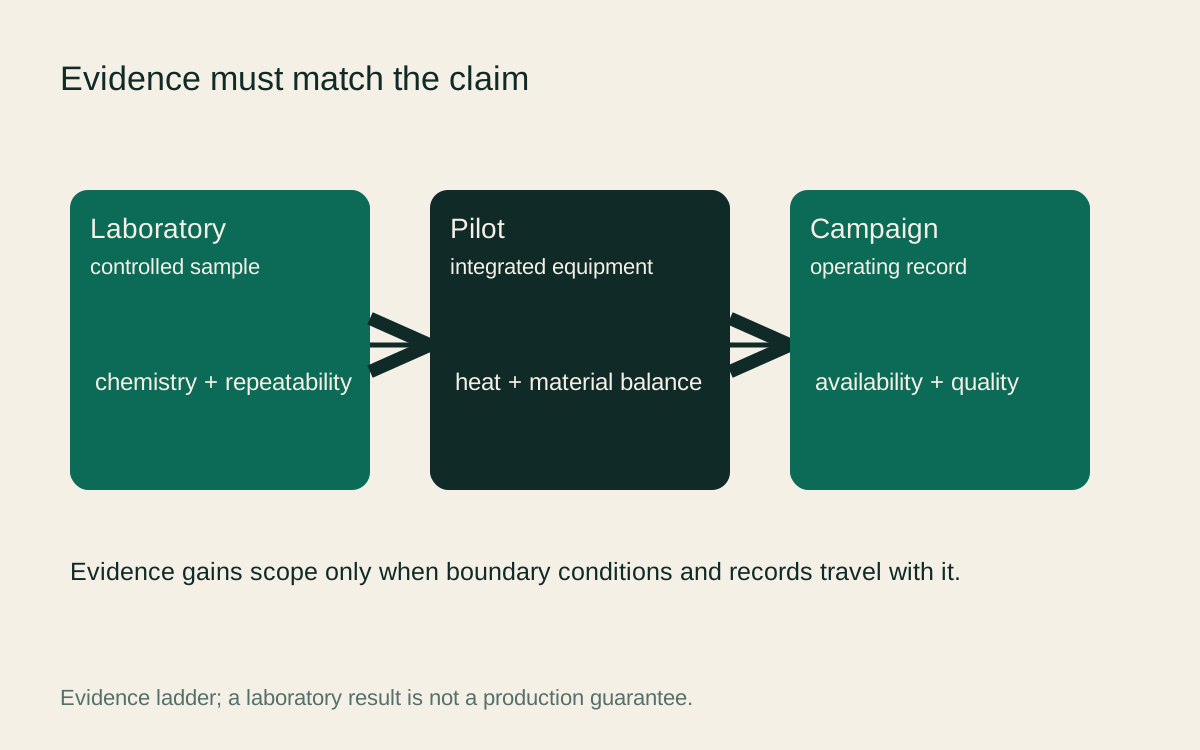
Process science25
Learn how to read pyrolysis research, distinguish a short trial from a plant campaign, and judge what the evidence actually demonstrates.
No articles match those words. Try a broader term or choose another topic.
PUT THE KNOWLEDGE TO WORK
Tell us what you need, the intended use and the location. Those details help us discuss the relevant material and evidence.