PROCESS SCIENCE
Condensation and process gas
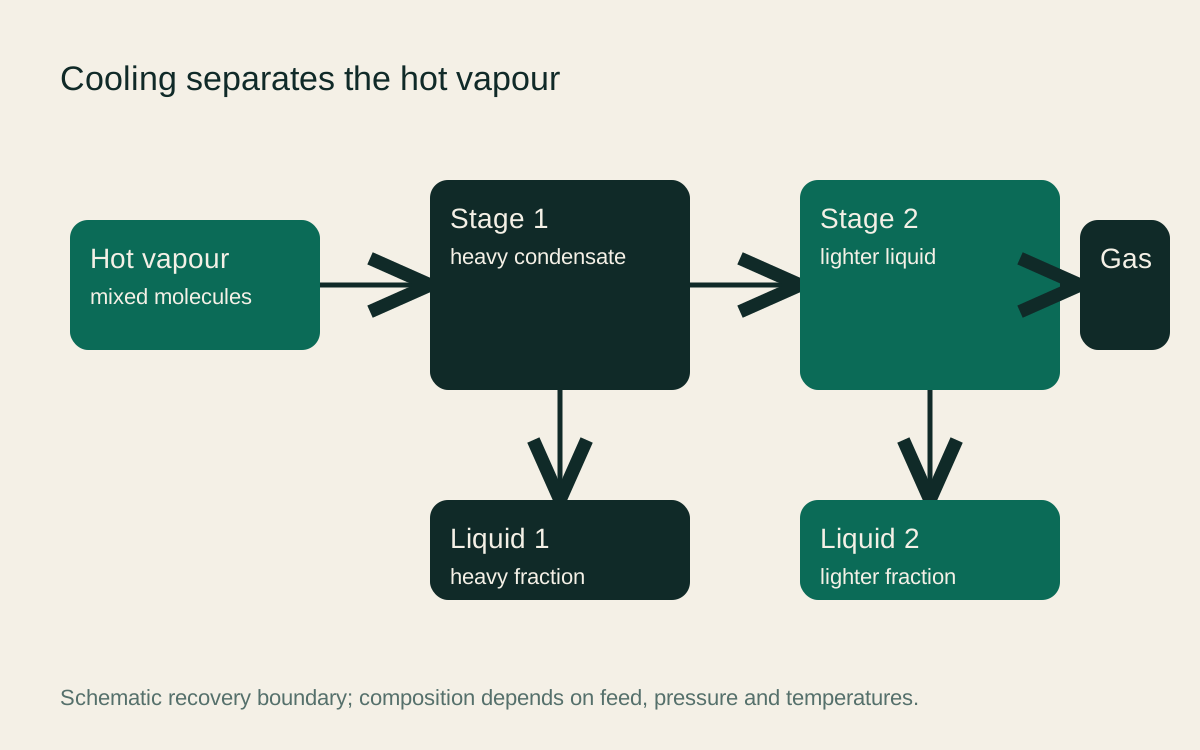
Pyrolysis vapour is a moving mixture, not a finished oil. It contains molecules with different boiling points and different tendencies to react or form deposits. The condenser train cools that vapour in stages. Heavy fractions can condense first, lighter compounds later, and some gases remain non-condensable at the available temperature and pressure. Good recovery depends on heat removal, surface condition, pressure, vapour speed and drain design.
Why one cold vessel is rarely enough
A single condenser has to handle the full range of vapour composition. Heavy molecules may form sticky deposits near the inlet while lighter condensables pass through. A staged system can remove heavy liquid first, then cool the remaining stream for lighter liquid recovery. The exact arrangement depends on vapour load and target product, but the principle is the same: control where heat leaves the stream.
Temperature alone does not predict recovery. Pressure changes boiling behaviour, and non-condensable gas dilutes vapour partial pressure. If the condenser is overloaded, outlet temperature rises and recoverable material travels onward. Measuring inlet and outlet temperatures, pressure and liquid rate helps locate that loss.
References: 3
Oil is a mixture with a history
Tyre pyrolysis oil can contain aliphatic and aromatic hydrocarbons, sulphur compounds, nitrogen compounds and water. Its composition reflects tyre recipe, reactor conditions and condensation. A sample from the first stage may be heavier than a sample from a later cold trap. Combining tanks without tracking the stages can hide the source of instability.
Before use, test water, density, viscosity, sulphur, acidity, flash point and distillation behaviour against the chosen equipment and applicable fuel specification. A high heating value does not establish safe storage, clean combustion or suitability for an engine. Treating oil is an engineering step with its own waste and energy requirements.
References: 1
The gas stream needs a boundary
Gas that remains after condensation can include hydrogen, carbon monoxide, carbon dioxide, methane and other light hydrocarbons. Its heating value changes with feed, air leakage, temperature and condensation efficiency. Gas should be sampled after the defined condenser boundary, because a wet or hydrocarbon-laden sample is different from a dry gas basis.
Gas reuse for process heat requires a designed burner and gas system, with safeguards established through the equipment and hazard review. Gas reuse can reduce purchased fuel, but it does not make emissions disappear. Sulphur and nitrogen species still need a treatment and monitoring plan. Flaring and venting are operating states that should be measured and included in the mass balance.
References: 2
A practical condenser check
During a trial, weigh each liquid receiver, record receiver temperature and collect a representative gas sample after the last condenser. Compare the measured gas flow with the liquid and solid balance. Watch for pressure rise, filter loading, sticky deposits and a rising final outlet temperature. These observations often identify a recovery problem before a laboratory result arrives.
For a hypothetical 100-kilogram prepared feed, do not call 40 kilograms of collected liquid a 40 percent oil yield until water, receiver hold-up, drain losses and the uncondensed stream are accounted for. State the basis and uncertainty. The useful takeaway is that the condenser is part of product formation: its operating boundary determines what the project can honestly call oil, gas and loss.
A receiver train also needs a drain and cleaning plan. Heavy liquid can block a narrow outlet, and a cold surface can trap material that is later released as a surge. Keep hot surfaces insulated where operators can touch them, provide sampling points that can be isolated, and route vents to the designed treatment or flare boundary. The goal is a measured stream with a known destination, not an improvised collection of jars and hoses.
Keep the samples traceable to a receiver and time window. A composite tank sample can be appropriate for a fuel decision, but it should be made from known fractions and mixed safely. If a later sample contains sediment or separates into layers, record that observation instead of filtering it silently. Product handling changes the measured answer, so the laboratory submission should state whether it is whole condensate, settled liquid or a filtered fraction.
Sources and further reading
Sources support the principles discussed here. Worked examples and decision checklists are explanatory; they do not report ENVIROPYROFUEL plant performance or product specifications.
- De Marco Rodriguez et al.: Pyrolysis of scrap tyres
- A review on harnessing the energy potential of pyrolysis gas from scrap tires: Challenges and opportunities for sustainable energy recovery
- Ramani et al.: Flash Pyrolysis of Waste Tires in an Entrained Flow Reactor — An Experimental Study
Apply testing, handling and operating decisions to the actual material, equipment and local requirements. A standards reference identifies a method or framework; it does not establish certification.