PROCESS SCIENCE
Pyrolysis, combustion and gasification
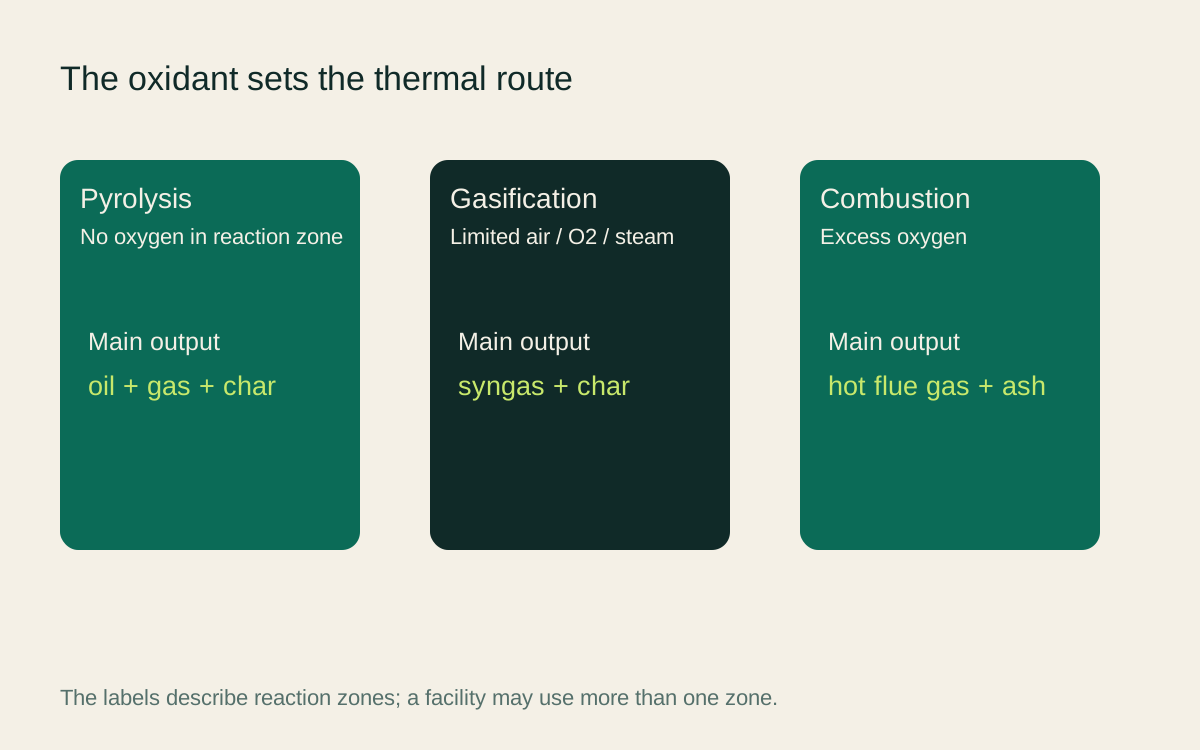
Pyrolysis, combustion and gasification are related thermal processes, but oxygen supply separates their main jobs. Pyrolysis decomposes feed in an oxygen-free reaction environment. Combustion supplies enough oxygen to oxidise most combustible material and release heat. Gasification supplies a controlled, limited oxidant, often air, oxygen, steam or carbon dioxide, to make a combustible gas mixture. Real equipment can contain several zones, so the label should be checked against the actual reactor and gas treatment.
Pyrolysis keeps carbon in several streams
In tyre pyrolysis, heat breaks rubber into vapours and gases while carbon black, ash and other fixed material remain in char. The vapour is condensed into an oil fraction and the remaining gas can be treated as a fuel stream. Steel is recovered mechanically from the solid residue. The process target is material separation, so product quality depends on how fast the feed heats and how quickly vapours leave the hot zone.
Pyrolysis does not mean that the products are automatically clean or ready for sale. Sulphur, metals, ash, water and heavy compounds follow specific streams and require measurement. If oxygen leaks into the reactor, local oxidation can change heat balance and product chemistry. Seals, purge practice and pressure control are process functions, not paperwork.
References: 1
Combustion is a heat route
Combustion reacts fuel with oxygen. With enough mixing, temperature and residence time, carbon becomes carbon dioxide and hydrogen becomes water, releasing heat. Air combustion also creates nitrogen-containing exhaust and can form pollutants when fuel impurities and flame conditions permit. A combustion system therefore needs controlled air, burner management, heat recovery and flue-gas treatment.
Using whole tyres as a combustion fuel and pyrolysing them are different operations. Combustion consumes the organic value in one hot oxidation step. Pyrolysis retains an oil, gas and carbon-rich solid stream, then may burn a controlled portion of gas to supply heat. Comparing the two requires a defined objective: heat production, material recovery, emissions performance or a combination.
References: 2
Gasification aims at syngas
Gasification uses less oxidant than complete combustion. The solid and vapour products react at high temperature with the chosen gasifying agent, producing a mixture commonly containing carbon monoxide, hydrogen, carbon dioxide and light hydrocarbons. Tar can form and must be managed. Air introduces nitrogen and dilutes the gas; oxygen or steam changes gas composition and equipment requirements.
Tyre char can also be gasified after pyrolysis, but the result is a different material pathway from preserving char as a product. Gasification may be useful where the project needs a combustible synthesis gas and has downstream cleaning. It is a poor description for a plant whose main output is condensed oil unless that gasification stage is actually present.
References: 3
How to classify a claimed process
Ask four questions: where does oxygen enter, what is the intended main product, what happens to char, and how are vapours or gas cleaned? A reactor with indirect heating and no oxidant in the reaction zone is consistent with pyrolysis. A furnace with excess air and mineral ash as the main residue is combustion. A reactor with measured air, oxygen or steam feed and syngas cleanup is gasification.
For a practical comparison, write the material balance before comparing names. If 100 kilograms of prepared tyre feed enters, state how much becomes oil, gas, carbon-rich solid, steel, water and unmeasured loss, and state the oxygen and steam inputs. This simple boundary prevents a gas burned for process heat from being counted twice as a saleable product.
Safety reviews should follow the same boundary. Oxygen analysers, pressure relief, non-return devices, inert purge and flame safeguards belong to the actual flowsheet. A sample analysis does not establish safe handling throughout a pipe or receiver system. The process name does not provide the protection; the measured flows, interlocks and maintenance checks do.
The words can also be mixed in one facility. A pyrolysis reactor may feed a combustion chamber for heat, while a downstream reformer gasifies selected vapours. Describe each zone separately in drawings, permits and operating instructions. This avoids a common accounting error in which heat made by burning process gas is reported as an additional product, or an exhaust stream is mistaken for untreated pyrolysis gas.
Sources and further reading
Sources support the principles discussed here. Worked examples and decision checklists are explanatory; they do not report ENVIROPYROFUEL plant performance or product specifications.
- European Commission JRC: waste treatment technologies, including tyre pyrolysis
- US Department of Energy: Improving Process Heating System Performance
- NETL: hydrogen safety review, gasification and gas-system principles
Apply testing, handling and operating decisions to the actual material, equipment and local requirements. A standards reference identifies a method or framework; it does not establish certification.