
OPERATIONS AND FEEDSTOCK
Recovered steel wire: quality begins before the magnet
Recovered tyre steel is a product stream with its own acceptance question. A weighbridge ticket can show how much arrived, but it cannot show whether the wire is clean enough, dry enough, or correctly identified for the next buyer.
What the stream contains
Tyre cord is steel embedded in rubber. Shredding, magnetic separation, and handling change the amount of rubber left on the wire. The recovered stream can also carry textile fibre, soil, stones, and moisture. Those attachments affect saleable mass and can change how a steel mill or trader handles the load. The right question is therefore not simply how many kilograms were recovered. It is what fraction of those kilograms is steel and what evidence supports that estimate.
Material identity matters too. Passenger tyres, truck tyres, and mixed loads can have different cord constructions and coatings. A buyer who accepts one grade may reject another even when both look like bright steel in a photograph. A clear feed description, batch number, and sample record make later disputes easier to resolve.
Steel quality is best discussed as a measured specification agreed with the buyer. Possible measures include visible rubber and fibre contamination, non-ferrous pieces, moisture, loose fines, and the size distribution of the wire. The exact limits belong in the purchase specification or contract; they should not be invented from a generic article.
References: 2
A practical evidence chain
Start with a representative sample plan. A handful taken from the top of a pile can be cleaner than the centre and says little about the lot. Record where samples came from, when they were taken, whether the material was wet, and who handled them. Preserve a retained sample when the transaction is material.
Separate measured facts from visual judgements. A photo can document long rubber-coated pieces or obvious foreign objects. It cannot establish moisture percentage or steel purity. A balance, moisture method, and sorting method each need a stated procedure and a known limitation. NIST describes traceability as a documented chain of calibrations with uncertainty; a calibrated instrument by itself does not make every result traceable.
The receiving decision should connect evidence to an action. A clean, dry batch with consistent records may move to normal dispatch. A batch with excess rubber may be reprocessed, priced by a different grade, or held for buyer review. If the test method is not available, label the result as visual inspection and leave the quality claim unmade.
References: 1
Example decision
Imagine two lots with the same gross weight. Lot A is dry and has short, mostly bare wire with a small amount of fibre. Lot B was loaded after rain and includes long rubber-coated pieces. Lot B may weigh more while delivering less usable steel. Paying the same price on gross weight would hide that risk. A decision based on net dry steel, or on a buyer-approved contamination grade, is more defensible.
The takeaway is simple: define the grade before loading, sample the lot in a way that can be repeated, and keep the measurement record with the batch. Recovery rate is a production indicator. Steel quality is a customer acceptance question. They overlap, but they are not the same number.
References: 2
Gross mass and accepted metal
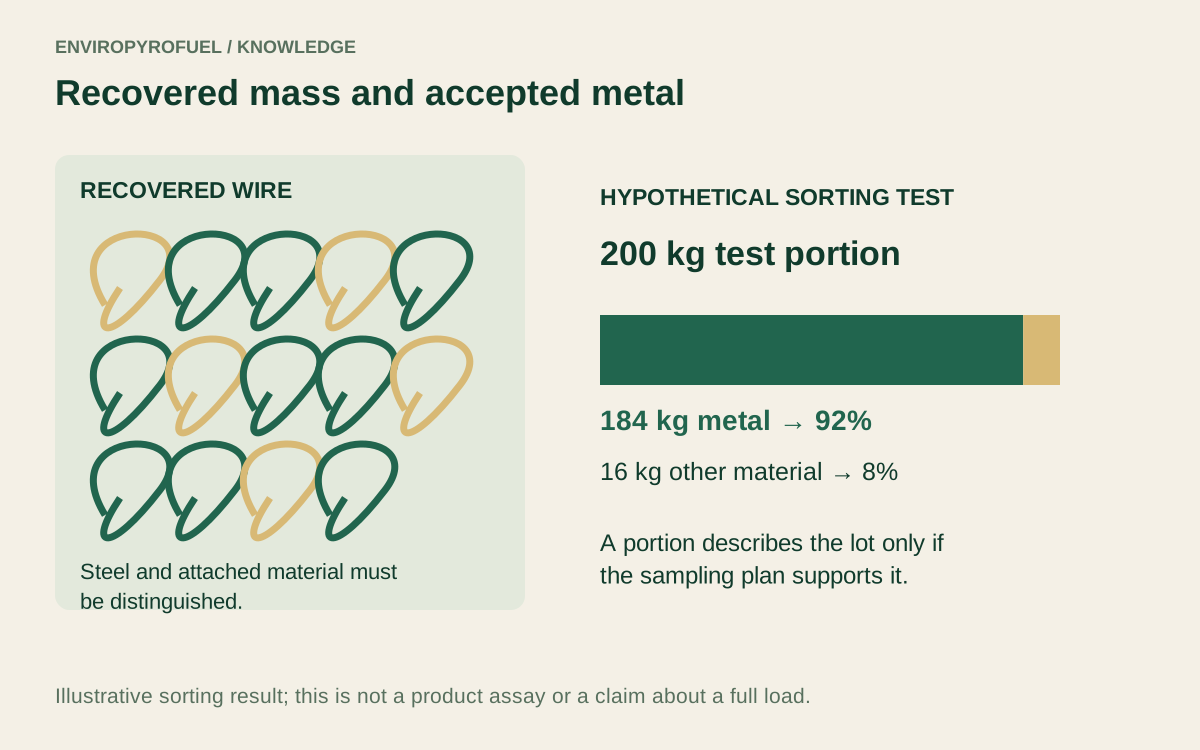
For a second hypothetical example, imagine a 200 kg test portion separated into 184 kg of metal and 16 kg of attached or foreign material under an agreed sorting procedure. The measured metal fraction is 92% of that test portion. It becomes an estimate for the lot only if the sampling plan supports that inference. Sorting every visible piece in one small, convenient portion cannot establish the entire truck’s composition.
If the portion was weighed wet, do not label 184 kg as dry metal without an appropriate moisture determination. State the condition of both fractions and avoid counting retained water twice. The buyer can then decide whether the report answers the contract question or whether a different sampling and measurement method is needed.
The handling description should also state whether the wire is loose, compacted or baled. A chemical or contamination result cannot tell the receiver whether its lifting equipment and feed system can safely handle that physical form. Confirm the receiving arrangement before dispatch.
References: 2
Sources and further reading
Sources support the principles discussed here. Worked examples and decision checklists are explanatory; they do not report ENVIROPYROFUEL plant performance or product specifications.
- Metrological traceability: frequently asked questions and NIST policy
- Scrap tires: handbook on recycling applications and management for the US and Mexico
Apply testing, handling and operating decisions to the actual material, equipment and local requirements. A standards reference identifies a method or framework; it does not establish certification.