OPERATIONS AND FEEDSTOCK
Tyre sourcing and acceptance: make the feedstock legible
A pyrolysis feedstock is easier to manage when every incoming load has an identity, a stated source, and an acceptance decision. Mixed tyres are normal; undocumented mixed tyres are difficult to price, troubleshoot, or explain to a customer.
Define the incoming material
The word tyre covers several useful distinctions: passenger, commercial, off-road, retread-related, whole, shredded, and rubber-only material. A sourcing specification should say which of these are acceptable and which are excluded. It should also state how visible dirt, water, metal other than tyre cord, textiles, and non-tyre waste are handled. These are feedstock controls, not marketing language.
Source records can be modest. A supplier name, collection area, date, vehicle or consignment reference, approximate tyre class, and gross and tare weights are enough to begin a traceable lot record. If a supplier blends material from several yards, record that fact. A later product result should never be assigned to a precise source that was never separated.
Acceptance needs a disposition: accept, accept with a condition, quarantine, or reject. The reason belongs in the record. This makes recurring contamination visible and gives procurement a fact base for changing a contract.
References: 2
Inspect before the feed hopper
An incoming inspection should answer a few concrete questions. Is the load recognisably tyre material? Is it unusually wet? Does it contain pressurised objects, large foreign items, or a class of material outside the specification? Are the physical pieces suitable for the existing preparation equipment? The inspection should be safe and site-specific. It is not a substitute for the facility's fire, machinery, or environmental controls.
Sampling should match the lot. If a load is visibly layered, sample more than one layer. If the load changes between vehicles, keep the lots separate or record the blend. Weighing before and after removal of obvious non-tyre material can show the commercial effect of contamination, but the method and scale status need to be recorded.
Moisture deserves a separate field because it changes both mass and heat demand. A wet load can appear to have a higher throughput while part of the reactor duty is spent evaporating water. If moisture is not measured, say so and retain the observation as a qualitative risk.
References: 2
Example decision
Suppose a supplier offers a mixed load at a discount. The visible tyres look acceptable, but the load includes a wet lower layer and several sacks of unrelated rubber waste. The sound decision may be conditional acceptance: weigh and photograph the non-conforming fraction, quarantine it, and renegotiate the price using the accepted dry tyre mass. If the plant cannot safely inspect or segregate it, rejection is the honest outcome.
The useful procurement metric is not the cheapest delivered tonne. It is the cost and uncertainty of an accepted tonne, including sorting, moisture, downtime, and rejected material. Keep that metric linked to batch results so sourcing decisions improve from evidence rather than anecdote.
References: 2
Supplier learning
Track accepted mass, rejected mass, preparation loss, and repeat findings by supplier. This distinguishes a cheap delivered tonne from a cheap accepted tonne. Keep source lots identifiable when blending and record who owns rejected material. Review the record over comparable loads, since one unusual truck should remain an exception until evidence supports a pattern. Acceptance records should travel with the material into storage and preparation.
A supplier description should be tested against later preparation results. If a source repeatedly produces wet feed or excess rejects, procurement can change the contract using evidence. Do not assign a product deviation to a supplier when several sources were blended without retained identities.
References: 2
Compare the accepted tonne
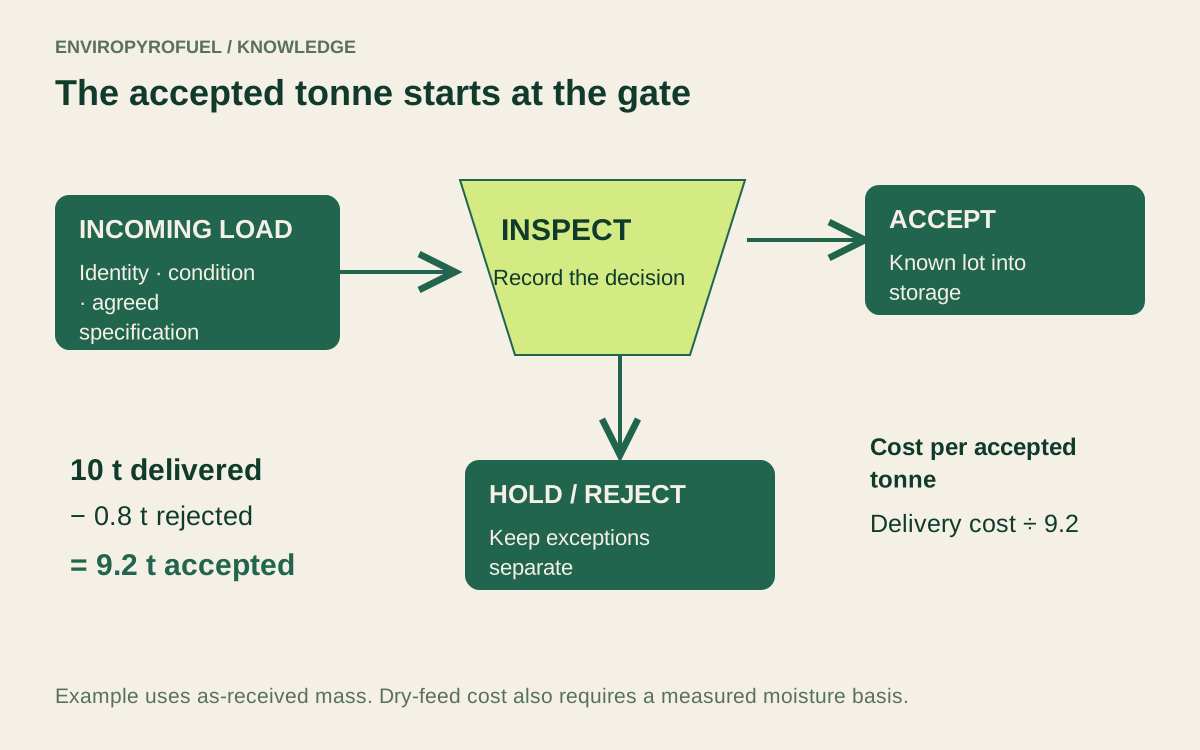
Consider an illustrative delivery of 10 tonnes with 0.8 tonnes of rejected material. The accepted as-received mass is 9.2 tonnes. Dividing the delivery cost by 10 hides the rejected fraction; dividing by 9.2 gives the acquisition cost per accepted tonne before sorting and disposal costs. Neither calculation gives a dry-feed cost unless moisture is also measured.
Keep the original weighbridge values and record the deduction separately. If a buyer and supplier use different moisture or reject methods, reconcile those methods before comparing prices. The decision record should say who measured the deduction, which portion was examined and whether the parties accepted that basis. This small discipline makes a later pricing discussion much easier to reconstruct.
References: 2
Sources and further reading
Sources support the principles discussed here. Worked examples and decision checklists are explanatory; they do not report ENVIROPYROFUEL plant performance or product specifications.
- Scrap tires: handbook on recycling applications and management for the US and Mexico
- Demonstration of the waste tire pyrolysis process on pilot scale in a continuous auger reactor
Apply testing, handling and operating decisions to the actual material, equipment and local requirements. A standards reference identifies a method or framework; it does not establish certification.